Ask ten reef keepers how they’d bounce a brand new aquarium, and you’ll listen ten experiences coloured by using battle scars and small victories. For me, not anything has formed long-term good fortune more than the decision to construct a reef’s basis around notable live rock. It impacts the whole thing from water chemistry to biodiversity to how your corals color up less than blues. It can even cause complications whenever you lower corners. Understanding what live rock is, what it does, and how one can supply and care for it would tilt the odds to your want, regardless of whether you’re putting in place your first Saltwater reef tank or scaling up to a prime-demand SPS machine.
What counts as stay rock
Live rock will not be a unmarried product however a category. At its middle, it’s calcium carbonate rock, almost always aragonite, colonized by using marine organisms. Traditional are living rock is harvested from the ocean: pieces of historic coral skeletons naturally encrusted with micro organism, microfauna, coralline algae, and occasionally sponges, tunicates, and small crustaceans. Aquacultured dwell rock, now the typical in lots of regions, starts offevolved as mined or guy-made rock seeded and matured on ocean rentals. There’s also “dry rock” that begins sterile, then profits life over time in a Reef Tank Aquarium.
All 3 have their area. The key transformations come right down to biodiversity, pest possibility, nutrient contribution, and time to adulthood. Real ocean-cured rock more often than not incorporates the richest microbiome. Aquacultured rock grants an identical reward with more suitable sustainability and legal clarity. Dry rock delivers manipulate and a scale back initial money, yet it asks persistence and vigilance because the technique matures.
The biological engine it is easy to’t replicate in a bottle
You can cycle a reef with bottled micro organism and cautious dosing, and a lot of do. Still, are living rock provides a frustrating, layered bacterial group it is exhausting to in shape synthetically. In move-sections of mature live rock, you’ll see gradients, from oxygen-prosperous outer surfaces to low-oxygen interiors. Different micro organism occupy these niches. Nitrifiers dominate the outer layers, turning ammonia into nitrite, then nitrate. Deeper, denitrifiers working in micro-anaerobic zones convert nitrate into nitrogen gasoline, imparting a common outlet for nitrate control.
What which means virtually: in case you use properly-cured, pleasant dwell rock, your Saltwater reef tank routinely clears the “new tank blues” sooner. Ammonia spikes are shorter, and the tank can be given a modest bioload previously with fewer swings. I even have establish approaches with 60 to 70 percentage stay rock through amount that reached predictable nutrient baselines within four weeks, compared to 10 to 12 weeks for sterile starts offevolved. That time mark downs things whilst you’re making plans a stocking schedule and would like to head from hardy mushy corals to more tender LPS and SPS without chasing numbers.
The bacteria are only the headline. Equally outstanding are the quite a few micro-crustaceans, worms, foraminifera, and sponges that hitchhike in. Copepods and amphipods graze film algae and cyanobacterial sheens you’ll by no means wholly see. Small brittle stars and micro bristle worms flip detritus again into the nutrient cycle ahead of it rots. Cryptic sponges filter dissolved organics and pleasant particulates. That microfauna web cushions your blunders, enormously in a young reef tank.
Chemical stability that pays dividends
Live rock made from aragonite contributes to buffering capability. It gained’t magically “restore” alkalinity, however it adds stability with the aid of holding a significant reservoir of carbonate surfaces. Over years, as corals calcify, aragonite can dissolve reasonably in low-move, low-pH microenvironments within the rock, freeing calcium and carbonate and softening pH swings. In perform, this is not very an alternative to dosing, but it’s a safe practices web. I’ve measured fewer and slower pH drops in a single day in rock-heavy tactics as opposed to minimalist scapes with the equal bioload.

The porosity of are living rock also captures and approaches dissolved and particulate organics. Detritus settles into pores and is damaged down in levels as opposed to rotting on the sandbed. That staged decomposition https://reefworkshops.com/ spreads nutrient launch over time, which is able to mean steadier nitrate and phosphate readings, offered you care for realistic flow and export. Tanks that run very sparse rock pretty much rely extra seriously on mechanical filtration and aggressive nutrient export to reap the similar balance.
Aesthetics and the residing canvas
It’s not all chemistry. The look and feel of a reef starts with its groundwork. Live rock brings coloration, texture, and action even earlier than you add coral. Coralline algae can colonize naked surfaces in a couple of weeks when seeded by way of stay rock. Within a month or two, you’ll see patches of purple, crimson, or deep purple, which support lock in a mature appearance. Those crustose algae also outcompete nuisance film algae by way of occupying premiere truly property.
Sponges and tunicates add sudden good looks once you hold them shaded and undisturbed. I once manage a ninety-gallon process with 50 pounds of aquacultured rock and uncovered a outstanding orange encrusting sponge lower than an overhang. I adjusted the scape to protect it from direct gentle, and it turned a tucked-away function travelers noticed simplest once they knelt to peer under the ledge. These small moments make a Reef Tank Aquarium suppose like a living reef as opposed to a curated collection of frags.

Biodiversity and resilience
Diversity is just not only a think-decent principle. It’s insurance. Reefs with broad microfauna populations cope with insults more beneficial. A moderate overfeeding tournament, a day of neglected preservation, or a small spike in ammonia by and large resolves with no drama in a mature stay-rock-established process. With sterile rock, the same adventure can cause diatoms or a bacterial bloom that takes weeks to unwind.
You’ll additionally see extra average habits from fish and inverts. Wrasses hunt pods inside the rock. Gobies sift sand at the base of rocks and dart again into crevices. Peppermint shrimp go with at microfauna less than ledges. An lively micro-surroundings is enriching for your animals, which interprets into enhanced feeding responses and stronger entire health and wellbeing.
Addressing the pest query honestly
Live rock can lift pests. That’s the business-off. Aiptasia, majano anemones, vermetid snails, pest crabs, mantis shrimp, and fireworms in some cases hitchhike in. Extended curing, manual inspection, and quarantine are your most appropriate defenses. I preserve a small 10- to twenty-gallon “rock bin” with warm, waft, and a universal mild due to this. New rock spends two to six weeks there. I scrape obvious aiptasia, bait and capture suspect crabs at night, and observe nutrient output. A short quarantine catches eighty p.c of disorders prior to you hardscape your display.
Not all hitchhikers are terrible. Feather dusters, innocuous bristle worms, chitons, and mini brittle stars are welcome. The trick is mastering to discover them. If doubtful, move a suspect piece to a separate container and become aware of with a crimson flashlight within the dark. Predatory mantis shrimp are audible, clicking when they hunt. Vermetids divulge themselves by using snot-like feeding webs from calcified tubes. Nudging the balance in the direction of really useful existence even though excluding typical pests is the paintings.
Comparing stay, aquacultured, and dry options
Dry rock appeals for its cleanliness and scaping flexibility. You can epoxy difficult arches and cabinets on a garage floor with no anxious about die-off. The expense in line with pound would be slash, too. The problem exhibits up within the first six months: long diatom levels, bursts of dinoflagellates, and persistent film algae at the same time as the microbial community matures. With staying power, seeding from a trusted chum’s rock or a refugium starter percent facilitates. Still, dry starts off call for restraint on stocking and feeding.
Aquacultured are living rock hits a center ground. It generally arrives with crustose algae, pods, sponges, and a sturdy bacterial neighborhood. Because that's grown with current series ethics and permitting, it’s the most in charge approach to get admission to ocean biodiversity. It can, despite the fact that, be denser than old reef rubble, so you could want more items to reap the comparable open construction and hideouts. Choose shapes with natural holes and channels. When given a alternative, I pick out medium, Swiss-cheese-like chunks over good boulders.
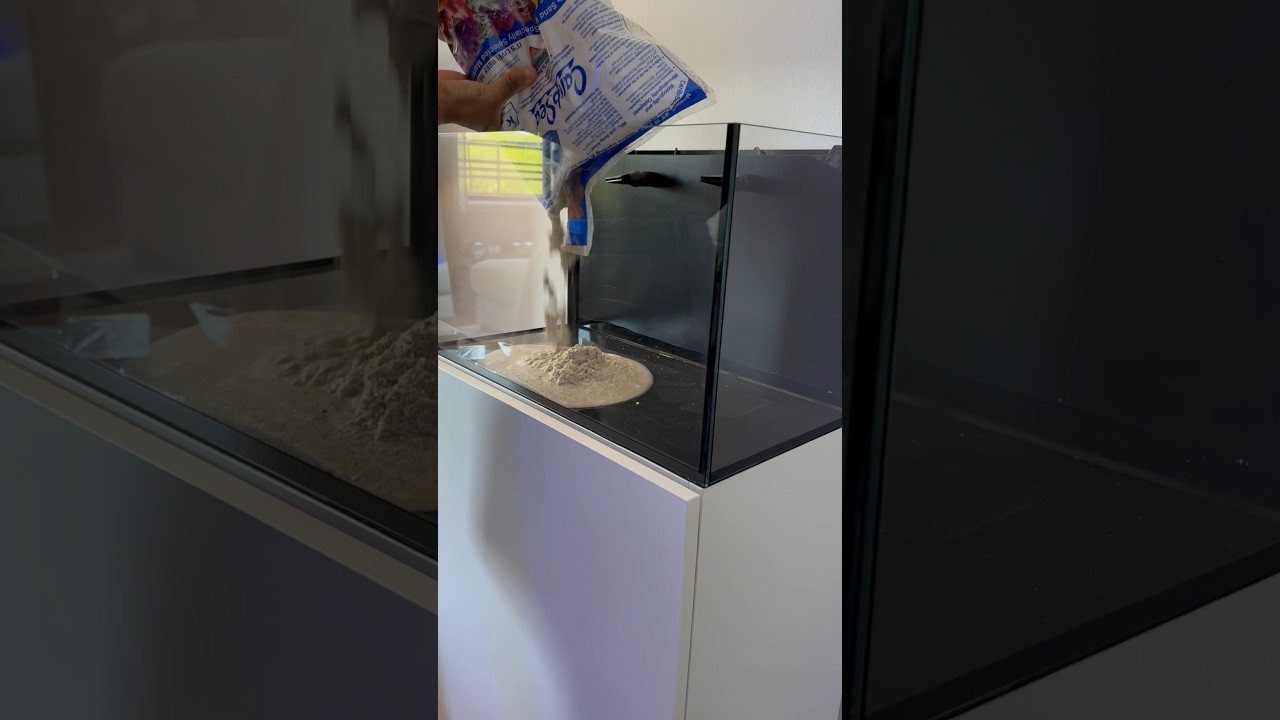
Wild-harvested ocean rock, the place legal, is still the gold in style for biodiversity. The moral and regulatory issues are proper, and in lots of puts it’s now not readily available. If you bought legacy pieces from a nearby reefer breaking down a tank, that’s a win. Just take into account that historic rock might be phosphate-laden. An acid bath or prolonged curing with general water ameliorations is also precious.
Curing, cycling, and the 1st 60 days
Curing is the technique of stabilizing dwell rock out of doors your exhibit to allow die-off and bacterial colonization to settle into balance. Fresh ocean rock usually contains organisms that received’t live on shipping. As they die, ammonia and phosphate peak. Curing converts that chaos right into a managed cycle.
A functional curing procedure that has labored for me:
- Place the rock in a nutrients-risk-free bin or spare tank with heated saltwater at 76 to seventy nine F, a solid powerhead, and a skimmer if plausible. Keep light low to deter nuisance algae, carry out 25 to 50 percentage water changes as ammonia exceeds zero.5 ppm, and put off apparent useless subject material with tongs and a comfortable brush. Test ammonia, nitrite, nitrate, and phosphate each few days. When ammonia and nitrite cling at 0 for every week, you’re able to aquascape.
Once inside the display, withstand the urge to over-light immediate. Ramp your graphic interval slowly over two to a few weeks. Give the microfauna time to adjust. Introduce a sparkling-up workforce in degrees: trochus or astraea snails first, then some hermits whenever you use them, then strong point grazers like conchs or urchins once movie algae appears. Fish can begin easy and increase. I like a pair of clowns or a unmarried hardy wrasse early on, then add extra after the 1st month if foodstuff continue to be strong.
Aquascaping with purpose
Live rock encourages you to believe in phrases of glide and habitat. Aim for buildings that create shaded cryptic zones, semi-lit shelves, and open swim places. Top-heavy scapes that appear dramatic from the entrance aas a rule lack interior complexity. Fish and inverts significance caves that attach and enable get away routes. Corals relish blended glide, now not a unmarried firehose of water hitting the identical spot.
Epoxy and superglue gel are your peers, yet with porous dwell rock, you can actually often interlock pieces thoroughly through testing suits except gravity locks them at the same time. If you possibly can choose up a structure and lightly shake it with no wobble, you’re close. Leave at least two inches between rock and glass for cleansing and to evade useless stream pockets. A reef tank that may be a pleasure to sustain remains match due to the fact you honestly do the work.
Nutrient dynamics and the myth of “phosphate leaching”
I customarily pay attention that dwell rock “leaches phosphate.” The reality is more nuanced. Rock can contain trapped organics and adsorbed phosphate from its previous lifestyles. During curing and the early months, that phosphate can enter the water column. It’s no longer an unending source, despite the fact that. With water differences, prudent feeding, a skimmer, and per chance a small volume of GFO or a refugium, phosphate settles into a range that corals tolerate. The intention seriously is not 0. Many appealing reefs run 0.05 to zero.15 ppm phosphate and five to twenty ppm nitrate. Chasing zeros starves corals and invites dinoflagellates.
If you inherit outdated rock from a tank that struggled with algae, expect an extended detox. I’ve used an acid wash on cussed pieces: a dilute muriatic acid bathtub backyard, with accurate protective tools, adopted by thorough rinsing and a week in clear saltwater. It strips the outer layer, casting off sure phosphate and organics. Done cautiously and sparingly, it offers the rock a 2nd lifestyles.
Compatibility with modern day filtration
Some aquarists be anxious that heavy are living rock scapes battle with leading-edge nutrient control resources like roller mats, fleece filters, carbon dosing, or sizeable refugia. They don’t. Live rock complements these equipment. If something, it reduces the desire to run them tough. I’ve run effectual SPS strategies with a skimmer, slight refugium, and are living rock because the backbone, dosing merely to maintain alkalinity, calcium, and hint phases. The refugium flourishes on the small, continuous circulate of food the rock-based totally gadget produces. The skimmer pulls out dissolved organics that sponges and bacteria don’t eat. Everything works in combination other than in opposition t one another.
Sourcing properly and coping with shipments
Quality varies. When shopping for live rock, ask the way it’s cured, how lengthy it's been held wet, and what temperatures it experienced in transit. Good suppliers deliver in water or damp with plenty of moisture and insulation. If a container arrives chilly or smells like rotten eggs, open it all of a sudden, rinse the rock in warmed saltwater, and begin curing with competitive aeration and water transformations. Don’t panic over a moderate ocean scent or just a few useless sponges. That’s favourite.
Local rock from tested reefers is often a reward. You get shown portions at a fair price, and that you would be able to think about them in adult. Look for coralline insurance policy, average holes, and signs and symptoms of lifestyles on the bottom. Tap on the rock. Hollow, rather porous pieces are lighter and move farther in line with pound. Dense chunks are advantageous for bases but supply less floor region for biology.
Managing menace with out sacrificing the upside
If you’re chance-averse, mixture methods. Use 50 to 70 percent stay or aquacultured rock and the rest clear dry rock. Seed the dry quantities by way of setting them in touch with stay pieces all through curing. Add a bottle of nitrifying bacteria for remarkable measure, now not as a crutch but to boost redundancy. Run carbon for the period of the 1st few weeks after the rock hits the display to mop up organics published because the method stabilizes. Observe at night with a flashlight to spot pests early.
Over the lengthy haul, hold protection regular. Periodically turkey baste the rock to raise detritus into the water column previously a water exchange. Adjust stream as corals develop and replace the hydraulics. If vermetids take continue, weigh down or epoxy their tubes in the time of routine sessions as opposed to letting them construct a urban. Aggressively cast off any aiptasia you spot inside the first month. Later, some peppermint shrimp or a designated paste cure will avert stragglers in assess.
Real numbers from true tanks
Numbers anchor selections. On are living-rock-structured starts I’ve logged, ammonia peaks at 0.25 to one ppm for 3 to seven days, then falls at once. Nitrite lingers every week or two longer. Nitrate rises into the 10 to 30 ppm number by week three, then stabilizes between 5 and 20 ppm after water modifications and the addition of macroalgae. Phosphate, if the rock is clean, normally starts off around 0.1 to 0.three ppm, dips with water modifications, and settles round zero.05 to 0.15 ppm with a light hand on feeding. These will not be offers, yet they be offering a sensible body of reference. If you see extended ammonia above 1 ppm after two weeks, make bigger water alterations and examine temperature and aeration. If phosphate skyrockets above zero.five ppm and stays there despite transformations, don't forget a small GFO reactor quickly, then taper off as soon as the rock stops freeing.
When much less rock is more
There’s a fashion in the direction of terrible space aquascapes, and for very good intent. Corals are the teach. You don’t desire a wall of rock from glass to glass. In a 75-gallon tank, forty to 60 pounds of porous reside rock is in most cases lots. Focus on open arches, about a pinnacles, and a stable base with caves. Leave sandbed locations clean for circulate and for sand-sifting fish. With a thoughtful scape, your fish will nevertheless find safe haven, your bacteria may have masses of precise estate, and repairs stays mild.
Make positive your layout makes it possible for go with the flow to clean in the back of buildings. Dead zones lead to detritus wallet that fuel cyanobacteria. Aim powerheads to create a gyre sample that rolls detritus towards your overflow. Tweak angles once you see in which mulm collects.
Coral boom, colour, and the lengthy game
Once corals settle in, live rock keeps to repay. Sponges and micro organism help stabilize dissolved organics, which, in mild stages, deepen coral shade. Trace parts related to biological endeavor, from iodine species to manganese, remain greater consistent. You’ll nonetheless dose to shop up with intake, however the baseline atmosphere feels extra reef-like. Many aquarists record rapid encrusting on stay rock than on sterile surfaces. I see this maximum genuinely with montipora and acropora that plate and branch greater optimistically whilst their bases are on biologically active stone rather than inert cabinets.
Corals be in contact chemically with their acquaintances. A living, respiration substrate buffers these skirmishes. It won’t discontinue allelopathy, but it takes the threshold off. Combined with carbon and economical spacing, your garden becomes a group instead of a battleground.
Two speedy, excessive-impression tips
- Quarantine your rock one by one for just a few weeks, comply with at nighttime, and put off pests early. This single behavior saves months of frustration later. Seed your device intentionally with pods and coralline scrapings in case your reside rock delivery is modest. A small investment prematurely compounds for years.
What good fortune appears like
Walk up to a mature saltwater reef tank outfitted on dwell rock, and also you realize the small issues first. Pods dart inside and outside at twilight. Feather dusters flare, then tuck. Coralline climbs powerhead guards and shaded returned glass. Fish float around the rock as if it’s a reef, now not decor. The water seems to be polished however alive, not stripped to medical sterility. Maintenance feels rhythmic other than reactive.
Live rock doesn’t warranty any of that, however it makes it much more likely. It gives you a forgiving delivery, a strong middle, and a prosperous endgame the place your corals have the foundation to thrive. Done responsibly, by way of aquacultured resources or recycled rock from relied on hobbyists, it also aligns with the stewardship we owe the oceans that encourage our Reef Tank Aquariums inside the first region.
If you build your reef on residing stone and deal with it as habitat in preference to hardware, the tank rewards you with a method that matures into itself, month after month, 12 months after year. That’s the quiet magic of live rock, the spine and the pulse of a thriving reef at dwelling.